Make Your Notes Unforgettable with Visual Cues
Today we explore how visual cues enhance memory and comprehension in notes, turning scattered information into vivid, retrievable stories. You will learn practical color, layout, and icon techniques, backed by cognitive science, so your pages guide attention, reduce overload, and supercharge recall.

The Brain’s Shortcut: Why Images Stick
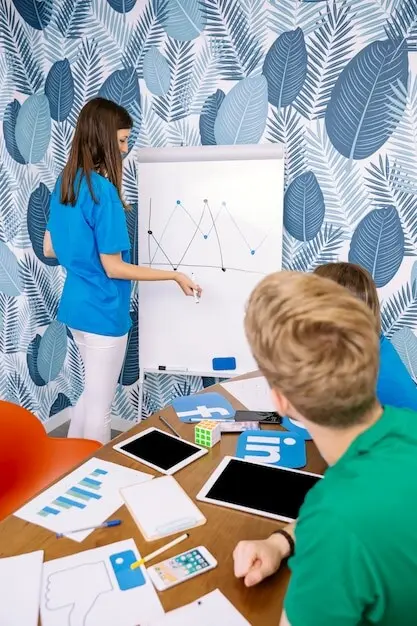
The human mind remembers pictures more readily than plain text because images and words encode along complementary pathways. When sketches, arrows, and spacing clarify structure, working memory carries less burden, enabling deeper processing. These small signals become retrieval handles later, accelerating comprehension during review, discussion, and exams while keeping confusion low.
Color That Teaches Faster
Palette with a Purpose
Choose three anchor colors and assign meanings you will never change, then add a neutral highlight for emphasis. Consistency turns repeated exposure into automatic decoding, which frees cognition for understanding relationships, spotting gaps, and building stronger arguments or stepwise procedures under exam pressure.
Contrast That Guides the Eye
Use dark ink for structure and lighter shades for detail layers, creating a depth hierarchy that signals sequence and priority. Combined with arrows and bullets, contrast becomes a pathfinder, preventing re‑reading loops and helping you land on the next productive question immediately.
Accessible Schemes for Everyone
When peers perceive color differently, add textures, labels, or icon pairs that convey the same meaning. A striped underline for cautions, a dotted box for examples, and a star icon for goals ensure shared understanding, whether notes are printed, screenshotted, or re‑drawn collaboratively.
Icon Language You Can Trust

Draft a tiny dictionary page in the back of your notebook that shows each icon and its stable meaning. After a week, recognition becomes reflexive, letting you spot arguments, exceptions, or tasks without pausing, much like recognizing road signs while driving safely.
Frames That Make Concepts Click

Draw a bold rectangle around definitions, but a rounded bubble around open questions, teaching your eyes to treat them differently. This framing primes the appropriate mindset—precision for facts, curiosity for puzzles—so follow‑up reading and problem‑solving sessions start focused instead of scattered.
Margins That Speak in Seconds

Reserve the outer margin for quick verdicts—star for review, exclamation for misconceptions, checkbox for actionable to‑dos. When scanning later, these lightweight markers collapse minutes of indecision into moments of progress, because decisions were made while context remained fresh and specific.
Layouts That Think for You

Mind Maps with Memory Hooks
Place the central idea boldly, then branch with verbs instead of nouns, attaching tiny icons to key edges. This encourages active transformation, not passive copying. During recall, tracing the branches reconstructs narratives, revealing gaps to study and surprising links worth sharing with classmates.

Cornell, Upgraded with Sketches
Use the cue column for icons, the notes column for layered detail, and the summary box for a single anchoring diagram. When reviewing, cover the detail side and rebuild the story from cues alone, strengthening retrieval paths and confidence under timed conditions.

Grids, Columns, and Flow Lines
Divide the page lightly so definitions, examples, and counterexamples live in predictable homes. Add flow lines to connect cause and consequence across columns. This scaffold disciplines thinking without rigidity, making it easier to compare cases, trace logic, and craft defensible conclusions quickly.
From Lecture to Lasting Memory: A Mini Case Study
In a challenging physiology course, Maya switched from dense transcription to compact visuals: color‑coded pathways, organ icons, and margin verdicts. Review time dropped by half, yet quiz scores rose steadily. She reported calmer test rooms, because each diagram acted like a doorway back into the lecture, complete with sequence and emphasis.
Make It a Habit: Sustainable Visual Note Practices
Great pages come from repeatable rituals, not rare bursts of inspiration. Prepare tools, pre‑draw light frames, and decide cue meanings before class. Afterward, schedule a quick color pass and a five‑minute margin audit. Weekly, refine your icon dictionary. Celebrate small wins by sharing pages, gathering feedback, and noticing how recall accelerates.
Lay out pens, pick three colors, and open to a lightly gridded spread. Write today’s question at the top and choose two icons you expect to use. This pre‑commitment reduces friction, so attention lands on ideas instead of stationery decisions.
Use the 1‑day, 1‑week, and 1‑month pattern to revisit cues. Cover details and reconstruct from visuals first, then check text. Each pass strengthens routes to memory, making complicated units feel approachable rather than intimidating walls of technical vocabulary and tangled procedures.
Trade pages with classmates, explaining your icon dictionary aloud. Invite critique on clarity, pacing, and emphasis, then remix a spread using someone else’s system. This playful cross‑pollination reveals blind spots, helps convergence on shared conventions, and keeps motivation high through social accountability.
All Rights Reserved.