Sketch Your Way to Sharper Ideas


Welcome! Today we dive into Visual Note-Taking for Clear Thinking, turning tangled notions into crisp, memorable sketches you can use anywhere. Expect science-backed tips, proven layouts, and uplifting stories that show how quick drawings unlock focus, recall, and alignment. Grab a pen; your best thinking is about to become visible.

Why Pictures Make Ideas Stick

From Dual Coding Theory to the picture superiority effect, visuals pair verbal information with imagery, making recall faster and deeper. Simple sketches shrink cognitive load, freeing working memory for reasoning. Research even shows light doodling can improve retention during dull tasks. When ideas meet shapes, arrows, and spatial arrangements, relationships pop, ambiguity fades, and alignment happens sooner.

Starter Toolkit You Already Own

You can begin today with paper, a dark pen, and two accent colors. Index cards capture ideas on the run; sticky notes become movable structures; a phone camera preserves iterations. Add a brush pen for contrast and a highlighter for emphasis. Fancy tablets help later, but the essential practice lives in your hands, eyes, and daily noticing.

Paper, Pens, and the Power of Contrast

Thick lines frame containers, thin lines add detail, and a single bold color directs attention exactly where it matters. Choose non-glossy paper to prevent smearing. Keep a pocket notebook for sparks and a larger pad for synthesis, so your materials match the moment rather than interrupt it.

Digital Options Without the Overwhelm

On tablets or laptops, pick one simple app, turn off toolbars you do not need, and create reusable page templates for grids, timelines, or mind maps. Use layers for drafts and final marks. Export to searchable PDFs, and tag consistently so ideas resurface when deadlines press hardest.

Shapes With Jobs

Give shapes responsibilities to accelerate comprehension. Rectangles become concepts, circles represent questions, diamonds mark decisions, and clouds hold uncertainties. Arrowheads indicate direction, curved arrows show feedback, and forked lines express branching choices. By assigning roles, you transform generic doodles into a reliable system that teaches itself through repetition.

People, Places, Processes

Simple stick figures convey roles and emotions with posture, eyebrows, and motion lines. Buildings or screens indicate context without clutter. Numbered steps and swimlanes reveal handoffs and bottlenecks clearly. With just a few strokes, the who, where, and how become unmistakable, inviting constructive feedback rather than vague disagreement.

Gestalt and Hierarchy in a Hurry

Use proximity to group, similarity to relate, and contrast to signal importance. Scale headlines larger, gray out the background, and reserve bright color for the actionable next step. These quick choices guide eyes effortlessly, reducing explanation time while increasing shared understanding across diverse audiences and attention spans.

Layouts That Guide Clear Thinking

Layouts function like mental scaffolds. Choose structures that match the work: grids for comparison, mind maps for exploration, timelines for sequence, and canvases for strategy. Richard Saul Wurman’s LATCH—Location, Alphabet, Time, Category, Hierarchy—helps sort chaos. Once information is parked thoughtfully, decisions flow faster and actions line up.

From Meetings to Mastery: Real Use Cases
Faster Meeting Notes Everyone Understands

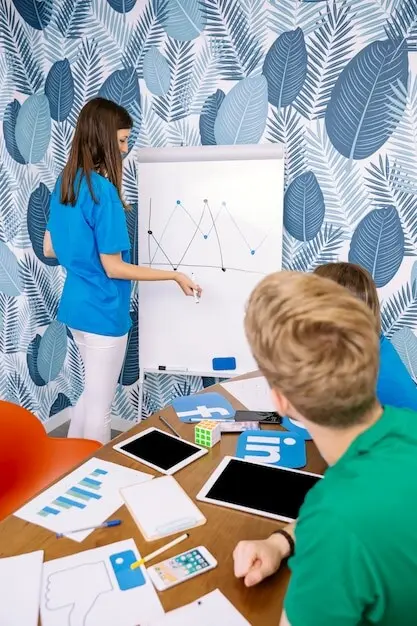
During stand-ups, replace paragraph notes with a simple storyboard: problem, today’s focus, blockers, and next step. Add tiny avatars for owners and a bold arrow for movement. When the meeting ends, snap a photo to the channel, preserving clarity and commitment beyond the room’s momentum.

Study Sessions That Actually Stick

Transform dense chapters into linked diagrams with key terms in boxes, arrows for cause and effect, and doodled metaphors anchoring memory. Explain each connection aloud, leveraging the Feynman technique. The combination of speaking, drawing, and spacing reviews over days cements durable understanding far better than rereading.

Planning Personal Goals in Pictures

Sketch a horizon line for the year, place three meaningful milestones, and backcast monthly stepping-stones. Add small icons for energies you want more of—sleep, reading, walks—and flags for constraints. Reviewing this page weekly keeps intention visible, progress tangible, and adjustments compassionate rather than punishing or rushed.

Keep It Alive: Review, Share, and Iterate

Great notes mature with attention. Schedule short weekly reviews, consolidate scattered pages into cleaner summaries, and archive versions you actually revisit. Share sketches with teammates or classmates to invite perspective and corrections. Iteration makes your marks smarter, your process lighter, and your confidence resilient when stakes rise unexpectedly.

A Weekly Flip-Through Ritual

Pick a consistent time, brew something warm, and flip through the latest pages. Circle wins, star unanswered questions, and migrate insights to a master map. This thirty-minute practice continually surfaces value, closes loops, and sets the next week up with satisfying, unforced momentum.

Build a Shared Library

Create a tagged repository where reusable icons, layouts, and reference sketches live. Encourage contributions with simple submission guidelines and credit notices. Over time, patterns emerge that accelerate onboarding, clarify standards, and reduce wheel-reinvention. A living library becomes a quiet multiplier of alignment, memory, and creativity across projects.

Zoripexiravo
Privacy Overview

This website uses cookies so that we can provide you with the best user experience possible. Cookie information is stored in your browser and performs functions such as recognising you when you return to our website and helping our team to understand which sections of the website you find most interesting and useful.